







Tips for Creating a Sustainable Home Garden Throughout the Year
Creating a sustainable home garden is a rewarding way to nurture nature, enjoy fresh produce, and reduce your environmental footprint. Gardening all year round can seem challenging at first, especially with changing seasons and weather conditions. However, with the right approach and some simple strategies, you can maintain a thriving, eco-friendly garden throughout the year.
In this article, we share practical tips for developing a sustainable home garden that flourishes in every season. Whether you have a large backyard or a balcony, these ideas can help you make the most of your space sustainably.
Why Choose a Sustainable Garden?
Sustainability in gardening focuses on reducing waste, conserving resources, and supporting biodiversity. A sustainable garden uses less water and chemicals, improves soil health, and encourages wildlife like pollinators, birds, and beneficial insects. This holistic approach benefits not only your garden but the wider environment too.
Now, let’s dive into the ways to create and maintain a sustainable garden all year long.
Planning Your Sustainable Garden
Assess Your Space and Soil
Start by observing your garden space. Note the sunlight patterns, soil type, drainage, and wind exposure. Healthy soil is the foundation of any successful garden, so consider having your soil tested. Based on the results, you can improve soil fertility naturally by adding organic compost or mulch rather than relying on synthetic fertilisers.
Choose Native and Seasonal Plants
Native plants are best adapted to your local climate and soil. They typically require less water and care, making your garden more sustainable. Also, select plants that thrive in each season to ensure year-round growth and harvest. This approach keeps your garden vibrant and reduces the need for extra inputs like heating or artificial lighting.
Year-Round Gardening Tips
1. Use Crop Rotation and Companion Planting
Rotating crops between seasons improves soil health and reduces pest problems. For example, plant leafy greens in one bed during spring, then follow with root vegetables in autumn. Companion planting pairs plants that benefit each other, like tomatoes with basil, helping to deter pests naturally.
2. Collect and Store Rainwater
Rainwater harvesting is an eco-friendly way to conserve water. You can set up barrels to collect rainwater from your roof, which can then be used to water plants during drier months. Rainwater is also free from chemicals often found in tap water.
3. Mulch to Retain Moisture
Apply organic mulch such as straw, wood chips, or leaves around your plants. Mulch helps retain soil moisture, suppresses weeds, and adds nutrients as it decomposes. This reduces the need for frequent watering and contributes to a healthy soil ecosystem.
4. Compost Kitchen and Garden Waste
Composting turns organic waste like vegetable peels, coffee grounds, and garden cuttings into rich fertiliser. By composting, you reduce landfill waste and avoid using chemical fertilisers, closing the nutrient loop naturally in your garden.
5. Protect Plants Naturally
Instead of chemicals, use natural pest control methods. Encourage beneficial insects like ladybirds and hoverflies that eat pests, or create simple barriers with netting and collars. Planting herbs and flowers that repel pests, such as lavender or marigolds, can also help.
6. Grow Perennials and Edibles
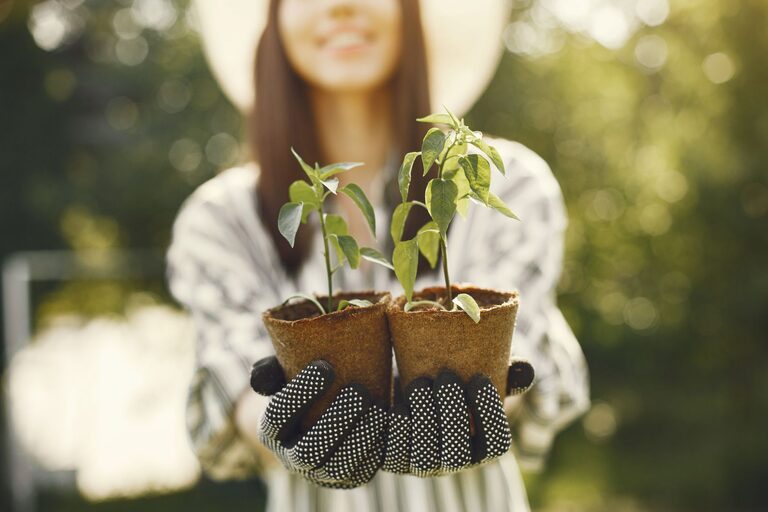
Incorporate perennial plants such as herbs, berries, or fruit bushes which return year after year without needing replanting. Growing your own edibles like salad greens, tomatoes, or spinach can be very satisfying and helps lower food miles and packaging waste.
Seasonal Considerations
Spring and Summer
In these warmer months, focus on planting fast-growing vegetables like courgettes, beans, and lettuces. Keep an eye on watering—early morning is the best time to water plants to reduce evaporation. Also, deadhead flowers to encourage more blooms and maintain plant health.
Autumn and Winter
Use the cooler months to plant hardy crops like kale, Brussels sprouts and garlic. Protect tender plants with cloches or fleece during frost. It’s also a good time to prepare the soil with compost and mulch to enrich it for the next growing season.
Additional Sustainable Gardening Practices
– Use Organic Seeds: Choose seeds that have been grown without harmful chemicals or genetic modification.
– Limit Lawn Area: Reduce grass areas and replace them with wildflower meadows or vegetable beds to support pollinators.
– Create Wildlife Habitats: Add bird feeders, insect hotels, and ponds to enhance biodiversity.
Final Thoughts
A sustainable home garden is a wonderful way to contribute positively to the environment while enjoying fresh, home-grown produce year-round. It requires planning, patience, and mindful habits, but the rewards are well worth the effort.
By following these simple tips, you can develop a garden that supports the ecosystem, conserves resources, and brings joy to your home throughout all seasons. Happy gardening!