


Tips for Creating a Sustainable and Organised Home Workspace
Creating a sustainable and organised home workspace is essential for anyone working remotely or spending considerable time at home. A well-thought-out workspace not only enhances productivity but also contributes positively to your wellbeing and the environment. In this post, we’ll explore practical tips to help you set up a home office that is both eco-friendly and neatly organised.
Why Choose a Sustainable and Organised Workspace?
Before diving into the how-to, it’s useful to understand why sustainability and organisation matter in a home workspace.
– Boosts productivity: A tidy, clutter-free environment helps you focus and reduces stress.
– Protects the environment: Choosing sustainable materials and reducing waste supports a healthier planet.
– Improves wellbeing: Natural light, ergonomic furniture, and good air quality can enhance comfort and reduce fatigue.
– Saves money: Durable, quality items last longer, lowering replacement costs and waste.
Planning Your Workspace: Location and Layout
Select the Right Spot
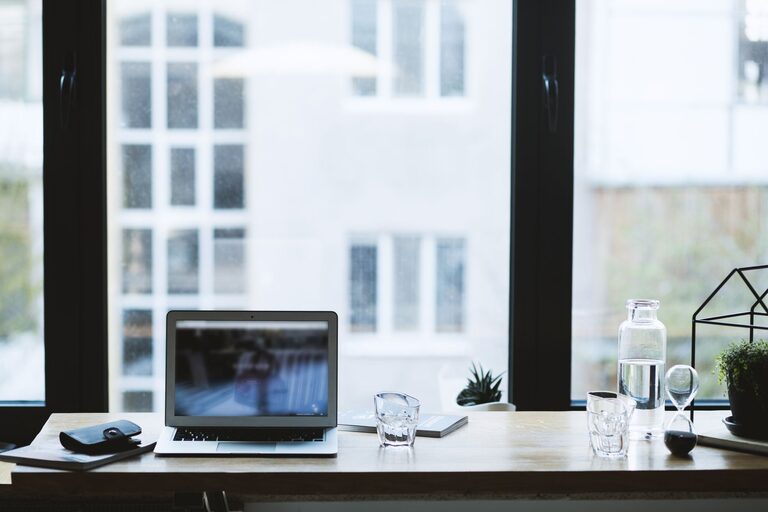
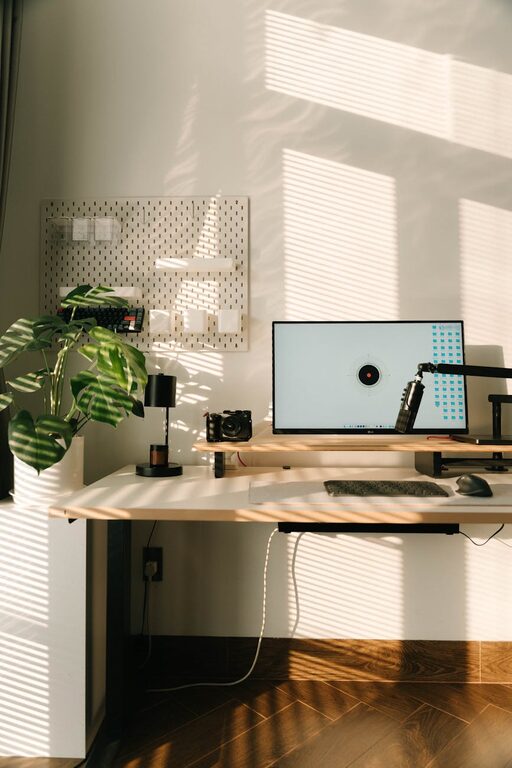
Choose a space in your home that is quiet, well-lit, and free from distractions. Ideally, position your desk near a window to benefit from natural daylight, which reduces the need for artificial lighting and increases mood and alertness.
Maximise Space Efficiently
– Use vertical storage such as shelves or wall-mounted organisers.
– Opt for compact, multifunctional furniture, especially if your space is limited.
– Keep cables organised and out of sight to maintain a clean look.
Sustainable Materials and Furniture Choices
Choose Eco-Friendly Furniture
Invest in furniture made from sustainable or recycled materials, such as FSC-certified wood or reclaimed timber. Avoid plastic-heavy options where possible, as these tend to have higher environmental impacts.
Opt for Durable and Timeless Pieces
Rather than trendy items, choose timeless designs that fit your style and can endure daily use. This reduces the need for frequent replacements, saving resources over time.
Consider Second-Hand or Upcycled Items
Check local shops or online marketplaces for quality second-hand furniture. Upcycling existing pieces with a fresh coat of paint or new upholstery is both creative and eco-friendly.
Organising Your Workspace
Declutter Regularly
A clutter-free desk reduces distractions. Schedule weekly or monthly decluttering sessions to keep your space organised.
Use Sustainable Storage Solutions
Select organisational tools made from natural materials like bamboo or recycled cardboard. Reusable storage boxes and filing systems minimise waste.
Label and Categorise
Clearly label files, drawers, and boxes to easily find what you need, saving time and reducing frustration.
Lighting and Energy Efficiency
Maximise Natural Light
Arrange your desk to make full use of daylight. This reduces reliance on electrical lighting and is easier on the eyes.
Use Energy-Saving Bulbs
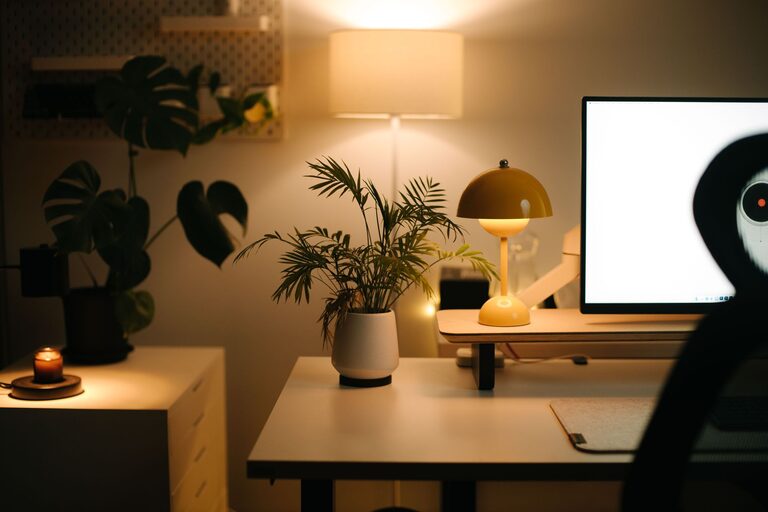
When extra lighting is required, choose LED bulbs that consume less power and have a longer lifespan.
Consider Smart Controls
Smart plugs or timers can help reduce energy consumption by automatically switching off devices when not in use.
Technology Choices for Sustainability
Energy-Efficient Devices
Select laptops, monitors, and printers that have good energy ratings. Turn off equipment when not in use rather than leaving it on standby.
Digitise When Possible
Reduce paper use by scanning documents and keeping digital records. When printing is necessary, use recycled paper and eco-friendly inks.
Incorporate Greenery and Air Quality
Add Indoor Plants
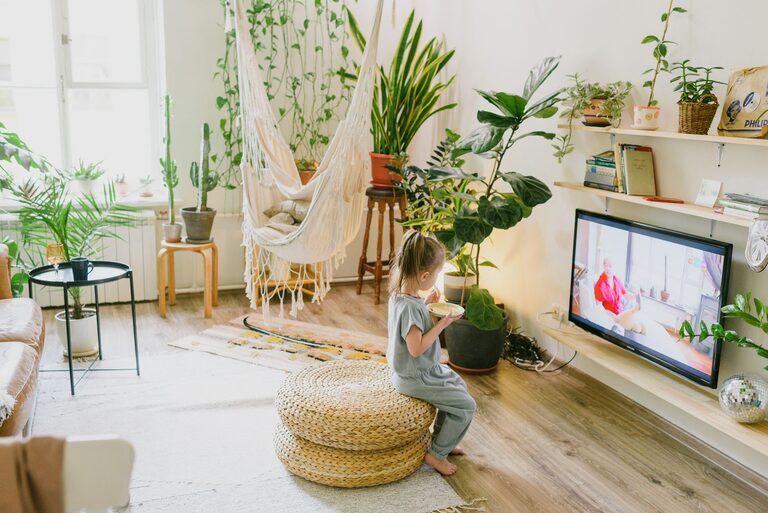
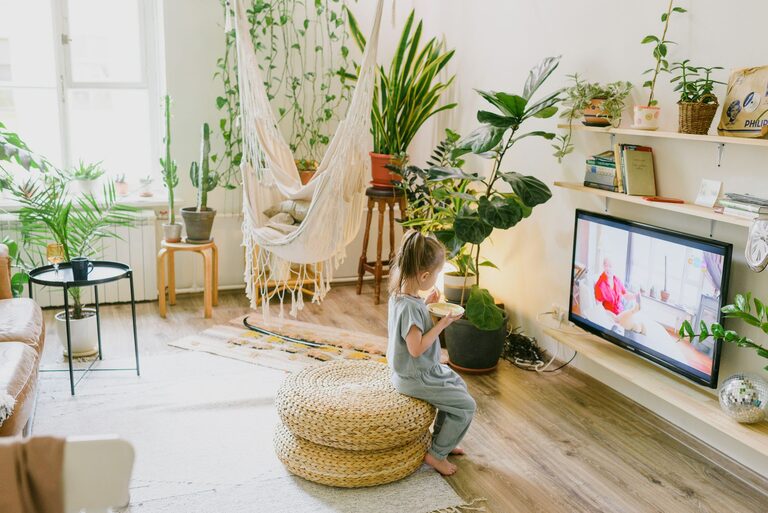
Plants not only brighten up the space but also improve air quality by filtering pollutants.
Choose Low-Maintenance Varieties
Select easy-care plants such as snake plants, pothos, or succulents to ensure they thrive with minimal attention.
Ensure Good Ventilation
Open windows regularly or use air purifiers to keep the air fresh and healthy, especially in a closed room.
Personal Touches and Comfort
Use Natural Textiles
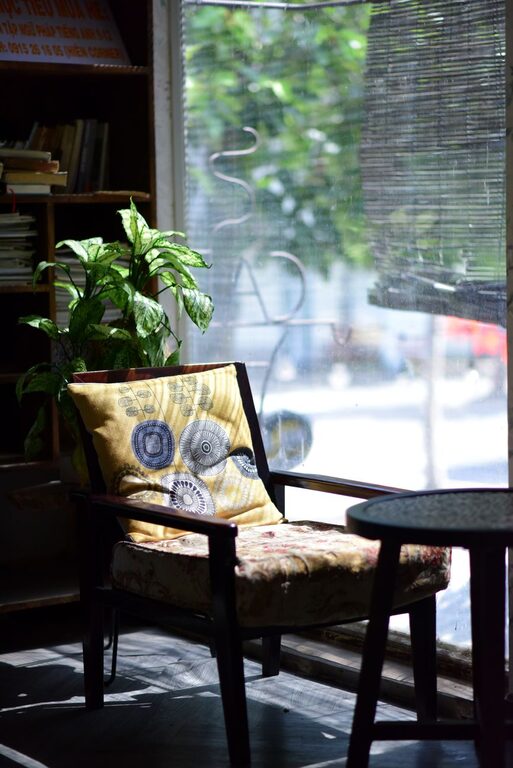
Consider cushions, rugs, or curtains made from organic cotton, linen, or wool, which are often more sustainable and comfortable.
Invest in Ergonomic Furniture
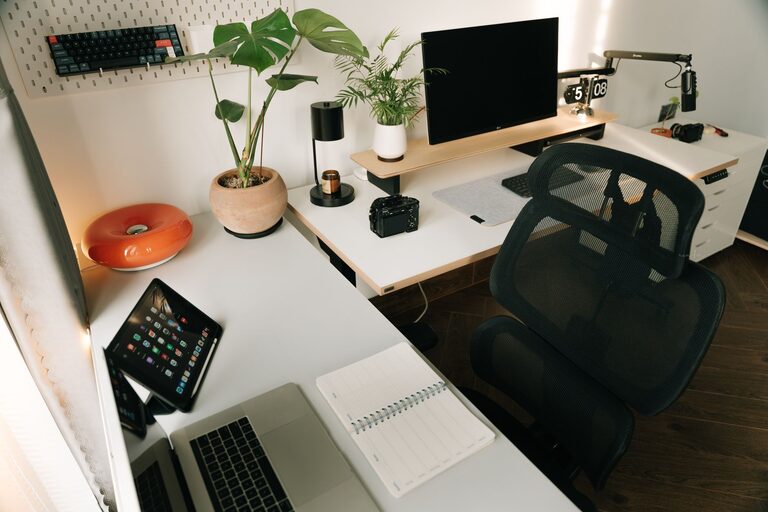
A good chair and desk setup supports posture and reduces strain, which is essential for long working hours.
Keep Hydrated and Take Breaks
Have a reusable water bottle at your desk to stay hydrated, and remember to step away periodically for your physical and mental health.
Final Thoughts
Creating a sustainable and organised home workspace might take some initial effort, but it pays dividends in terms of productivity, wellbeing, and environmental responsibility. By thoughtfully selecting your location, furniture, and organisational tools, you can enjoy a functional, attractive, and eco-friendly workspace. Small changes, such as incorporating greenery or reducing paper use, also contribute to a healthier work environment and planet.
Start with one or two ideas from this post and gradually build towards the ideal sustainable and organised home workspace that works best for you.