
Tips for Creating a Relaxing and Productive Home Office Environment
Creating a home office space that is both relaxing and productive can make a significant difference in how you work and feel throughout the day. Whether you’re new to remote working or looking to refresh your existing setup, a well-designed space can enhance concentration, reduce stress, and boost efficiency. Here are some practical tips to help you build a home office environment that supports both comfort and productivity.
Choose the Right Location
The foundation of a good home office starts with the right location. Ideally, select a space that is quiet and away from high-traffic areas in your home. A spare room, a corner in the living room, or even a section of your bedroom can be adapted for work, as long as it offers some degree of separation from distractions.
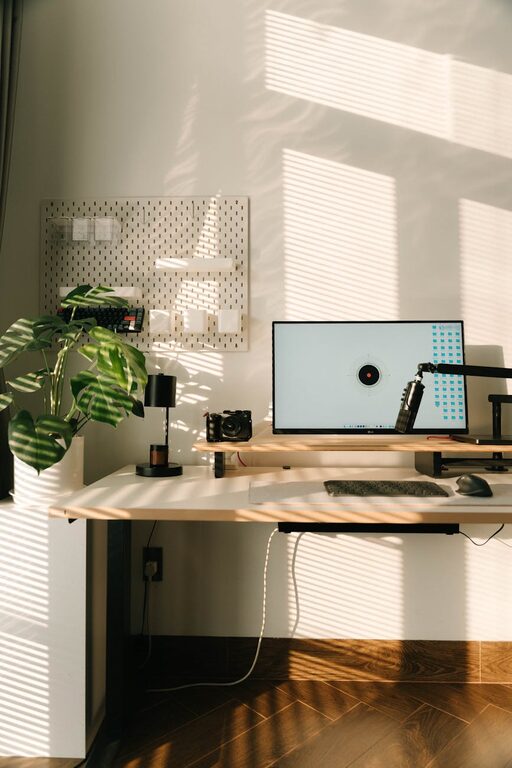
If possible, position your desk near a window to benefit from natural light, which has been shown to improve mood and focus. Avoid places where noise or household activity might interrupt your workflow.
Invest in Comfortable and Ergonomic Furniture
Long periods of sitting can cause discomfort and fatigue, so it’s essential to prioritise ergonomics:
– Desk: Choose a desk that fits your space and work style. Adjustable desks that allow for sitting and standing are great for variety.
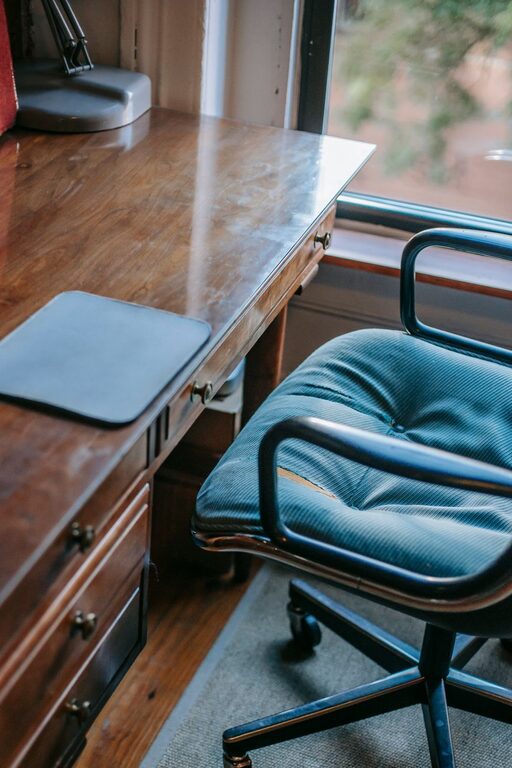
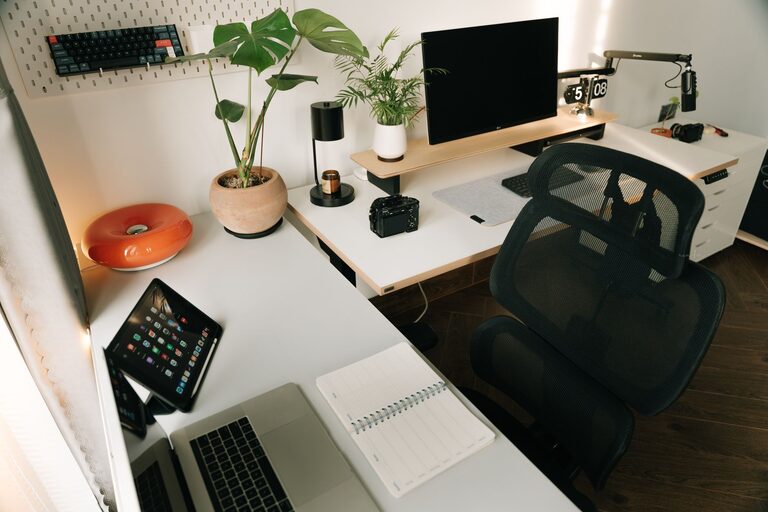
– Chair: An ergonomic chair that supports your back and encourages good posture can prevent aches and strains. Look for chairs with adjustable height, lumbar support, and comfortable cushioning.
– Accessories: Consider a footrest, wrist support for keyboard and mouse, and monitor stands to keep screens at eye level.
Comfortable furniture helps you stay focused and reduces the risk of physical strain.
Keep Your Workspace Organised and Clutter-Free
A tidy desk promotes a clear mind. Here are strategies to keep your workspace organised:
– Storage Solutions: Use shelves, drawers, and filing cabinets to keep documents and supplies out of sight but easily accessible.
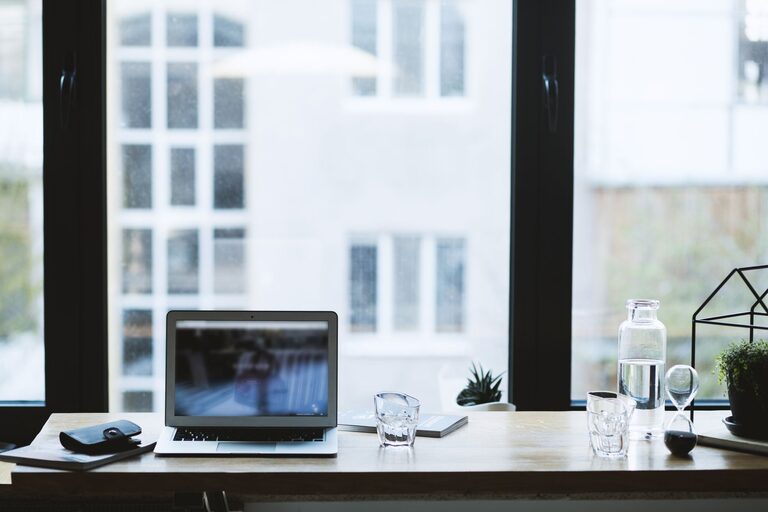
– Minimalism: Only keep the essentials on your desk to reduce distractions.
– Cable Management: Use clips or cable organisers to keep cords neat and prevent tangles.
Organising your space not only saves time but also makes your work environment feel calmer.
Control Lighting and Reduce Eye Strain
Good lighting is crucial for comfort and productivity. In addition to natural light, invest in quality artificial lighting:
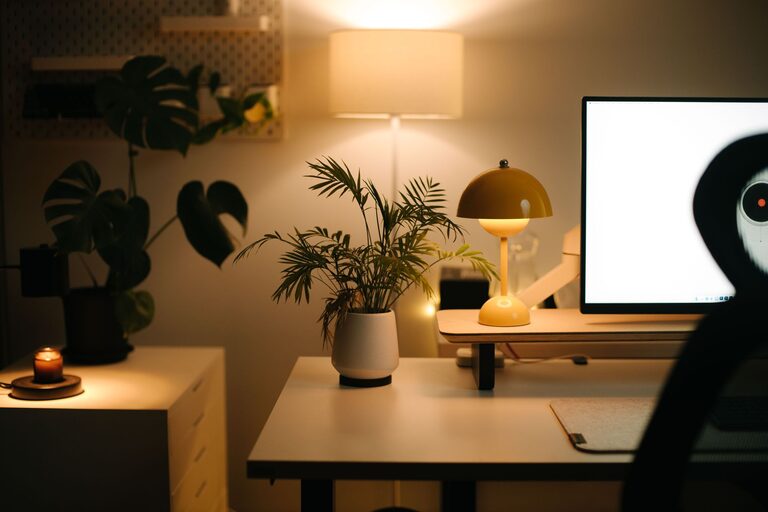
– Desk Lamp: Adjustable lamps with warm white or daylight bulbs help reduce eye strain.
– Screen Brightness: Adjust your computer screen settings to suit the ambient light to avoid glare.
– Window Treatments: Use blinds or curtains to control sunlight and prevent harsh reflections on screens.
Proper lighting can help maintain energy levels and protect your eyesight.
Add Personal Touches That Inspire You
While it’s important to keep the space professional, adding personal elements can make your home office feel inviting and motivating:
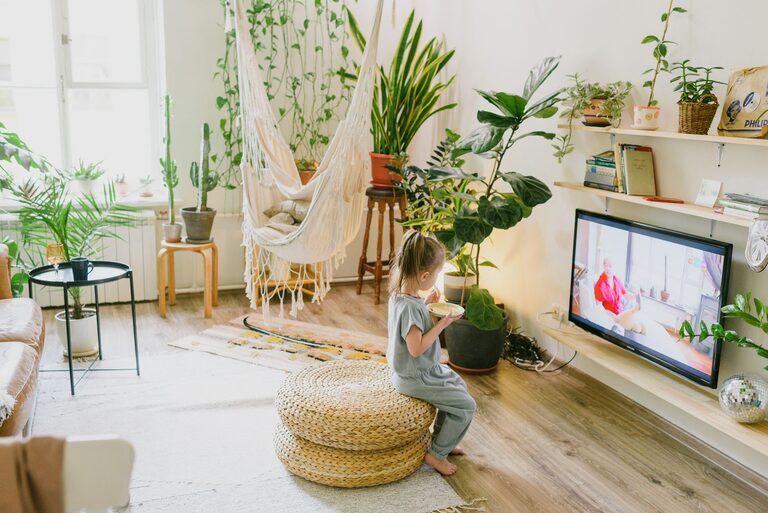
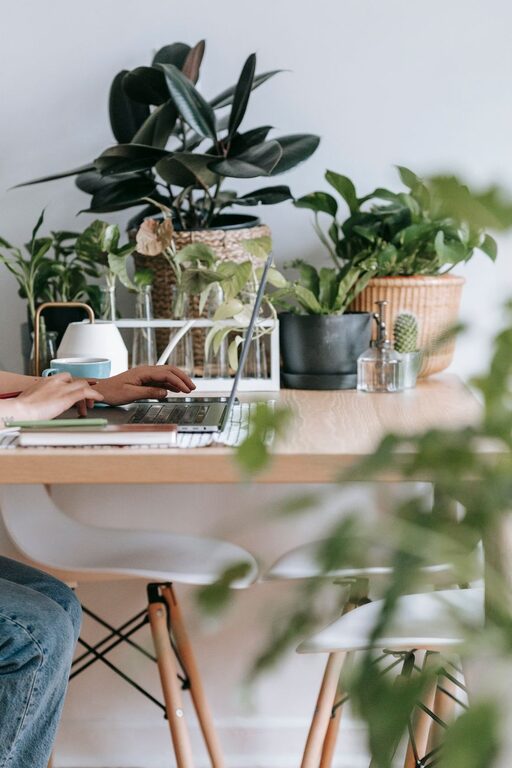
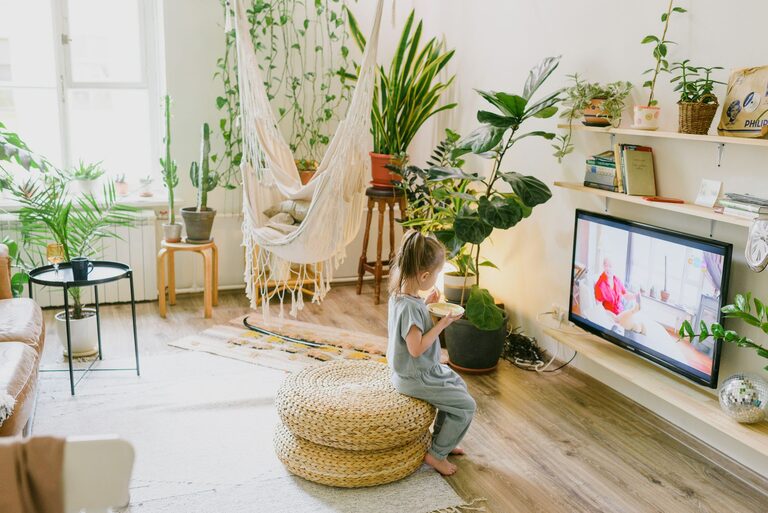
– Plants: Small indoor plants not only decorate your space but can improve air quality and reduce stress.
– Artwork: Simple artwork or photos that bring you joy can make your workspace more pleasant.
– Inspirational Items: Objects like motivational quotes or items that reflect your hobbies can boost creativity.
Personal touches can create a welcoming atmosphere that encourages you to spend time in your office.
Minimise Distractions with Technology and Boundaries
Technology can both help and hinder productivity. To stay focused:
– Use Noise-Cancelling Headphones: These can block out background noise if your home is busy or noisy.
– Limit Notifications: Turn off or mute non-essential phone and computer notifications during work hours.
– Set Boundaries: Inform family members or housemates of your working hours to reduce interruptions.
By managing distractions, you create an environment that supports concentration.
Incorporate Break Area or Movement Space
Including a small area for stretching or quick breaks can rejuvenate your mind and body:
– Stretching Zone: Leave space for simple stretches or yoga moves to combat stiffness.
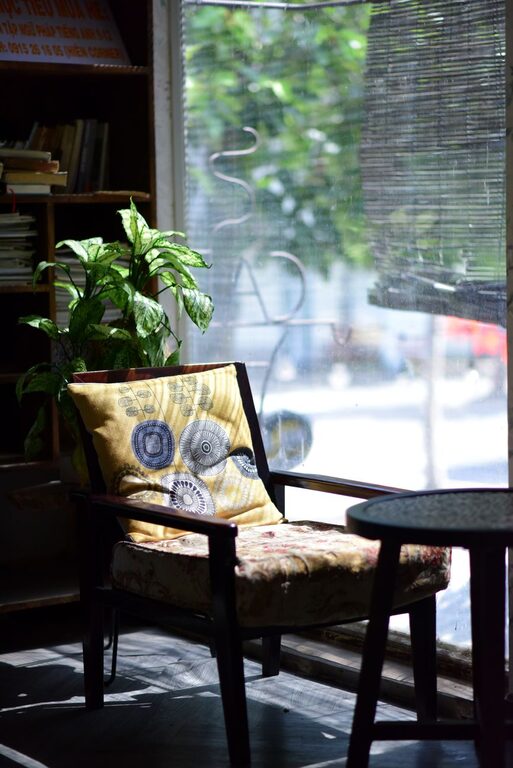
– Break Area: If space permits, a comfortable chair or a small corner for relaxation can help you step away briefly and refresh during your day.
Regular breaks and movement are key to sustaining productivity and wellbeing.
Maintain a Regular Routine and Cleanliness
Finally, a consistent routine helps signal the start and end of work:
– Set Work Hours: Stick to regular working hours to balance work and personal time.
– Daily Cleaning: Spend a few minutes tidying your desk at the end of each day to start fresh the next morning.
Routine and cleanliness contribute to a relaxed mindset and a productive workflow.
—
By thoughtfully designing your home office with these tips, you can create a space that feels both relaxing and conducive to productive work. Remember, the best home office is one that suits your personal needs and preferences while supporting healthy work habits.